“Natural environment” search results (2000)

What conditions do coffee trees need for planting? what are the requirements for the natural environment?
The origin of the coffee tree is Ethiopia in Africa. In botany, coffee trees belong to the evergreen trees of the subgenus Rubiaceae, and coffee beans, commonly known as coffee beans, are the seeds of the fruit of coffee trees, just because they are shaped like beans, so they are called coffee beans. Climate is the decisive factor for coffee cultivation. Coffee trees are only suitable for growing in the tropics or subtropics, so latitude 25 is south and north.
2016-05-29 Coffee planting needs what conditions natural environment all have requirements coffee original
An introduction to the estates of Ethiopian coffee-producing areas with the natural conditions for growing coffee
Sustainable coffee culture Ethiopian coffee beans grow in close to the natural environment, after years of planting under the same growth conditions, Ethiopian coffee beans have gradually adapted to the environment here. More than 60% of coffee beans are grown in forests or semi-forests. The villages that grow coffee in large areas account for about the total amount of coffee produced in the country.
2016-07-06 With planting coffee natural conditions Ethiopia producing areas manors introduction
Premium Coffee recommended Cuban Coffee Crystal Mountain Coffee
Located in the West Indies, the Republic of Cuba has a detached and pristine natural environment, the beautiful Caribbean Sea and the world-famous Crystal Mountain Coffee. Flavor and taste characteristics: full of particles, uniform taste, tobacco flavor the Republic of Cuba is located in the West Indies, with a detached and primitive natural environment, the beautiful Caribbean Sea and the world-famous Crystal Mountain Coffee.
2014-10-17 Coffee knowledge boutique coffee Cuban coffee crystal coffee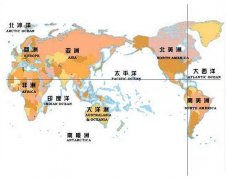
Boutique coffee beans introduce Cuban coffee Crystal Mountain Coffee
Located in the West Indies, the Republic of Cuba has a detached and pristine natural environment, the beautiful Caribbean Sea and the world-famous Crystal Mountain Coffee. Cuba: Crystal Mountain Coffee flavor and taste characteristics: full of particles, uniform taste, tobacco flavor the Republic of Cuba is located in the West Indies, with a detached and primitive natural environment, the beautiful Caribbean Sea and world-famous
2014-11-11 Coffee knowledge boutique coffee beans Cuban coffee Crystal Mountain coffee
Introduction to the planting method of Coffee Tree what kind of natural environment is needed to grow coffee tree
Coffee tree is a shrub or small tree of Rubiaceae; leaves opposite, leathery, long ovate; every March, the branches will appear white flowers, petals spirally arranged, the heart of flowers jump around the petals, take a closer look, really like a small windmill playing in childhood, emitting bursts of jasmine fragrance; the fruit is oval, berries, crimson, containing two seeds, that is, we are familiar with coffee
2016-07-28 Coffee planting methods introduction need what natural environment
The natural environment in which coffee trees grow. Planting conditions of coffee trees.
In botany, coffee trees belong to the evergreen trees of the subgenus Rubiaceae, and coffee beans, commonly known as coffee beans, are actually the seeds of the fruit of coffee trees, just because they are shaped like beans, so they are called coffee beans. Climate is the decisive factor for coffee cultivation. Coffee trees are only suitable for growing in the tropics or subtropics, so the zone between latitude 25 degrees south and north is the most suitable for growing coffee. And this...
2015-11-02 Coffee tree growth natural environment planting conditions coffee botany belong to
Colombia coffee growing environment
Growing Environment Colombia's favorable climate provides a true natural pasture for coffee. Coffee trees in Colombia are mainly cultivated in the Andes mountains, on steep slopes up to 1,300 meters above sea level, where the annual temperature is about 18 degrees Celsius, the annual rainfall is 2000 to 3000 mm, the latitude is 1 - 11 15, the longitude is 72 - 78, and the specific altitude range can exceed 2.
2016-06-14 Colombia Coffee Cultivation Environment Introduction Fit
Differences in Ethiopian coffee
A large amount of coffee production (95%) is done by small shareholders, with an average yield of 561 kg per hectare. For centuries, minority holders of Ethiopian coffee farms have been producing a variety of high-quality types of coffee. The secret of producing high-quality coffee is that coffee growers have developed environmental conditions through generations of repeated learning about the coffee planting process.
2016-05-31 Ethiopia coffee difference mass production 95% all by shares.
Organic coffee beans grown in the shade of organic coffee trees are organic high-quality beans grown by natural methods.
Organic coffee is coffee that does not use synthetic pesticides, herbicides or chemical fertilizers during its growth. A brief introduction to these ways of growing coffee is conducive to maintaining a healthy environment and keeping the groundwater pure. After the coffee is harvested, be sure to use an organically certified roaster to process the coffee beans. Organic coffee is grown in the shade of trees.
2016-03-01 Organic coffee organic is in the growth process use synthesis insecticidal
Introduction to the growing environment of Ethiopian coffee
Ethiopian coffee beans grow in close to the natural environment, after years of planting under the same growth conditions, Ethiopian coffee beans have gradually adapted to the environment here. More than 60% of coffee beans are grown in forests or semi-forests. Large-scale coffee-growing villages account for about 35% of the country's total coffee production. Many of these are used.
2016-06-15 Ethiopia coffee growth environment introduction coffee beans grow in
Introduction to Coffee growing Environment in Colombia
The suitable climate in Colombia provides a real natural pasture for coffee. Coffee trees in Colombia are mainly cultivated in the Andes, on steep slopes about 1300 meters above sea level, where the annual temperature is about 18 degrees Celsius, annual rainfall is 2000 to 3000 millimeters, latitude 1-11 15 north, longitude 72-78 west, and the specific range of elevation can exceed 2.
2016-06-15 Colombia Coffee planting Environment introduction suitable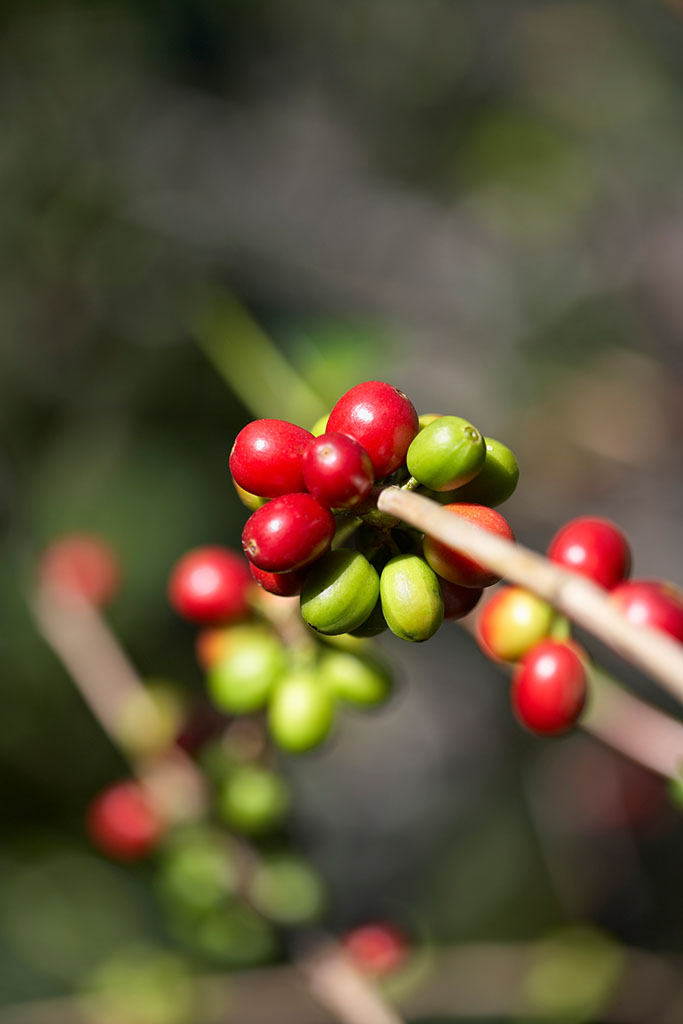
Resa Cooperative Addis Katema Cooperative Vina Gor Ethiopian Coffee
The coffee garden with an elevation of more than 1500 meters has formed a unique coffee style after more than a thousand years of evolution and adaptation. Ethiopian coffee grown in the natural wild environment is called wilderness coffee, which retains the most primitive and natural taste of coffee beans and has the most direct and full expression of the local environment. Production area of Resa Cooperative (1000-1400 m): Gedeo-Wenago Wei
2016-07-23 Resa co-op Addis Katema Vina Ethel Cy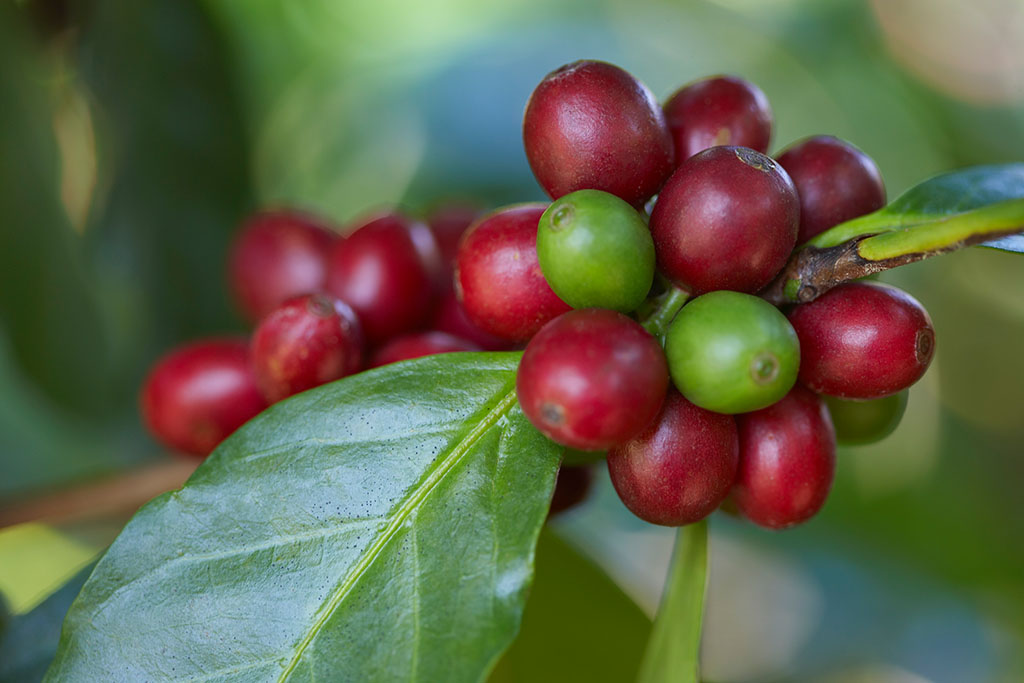
Hafursa Cooperative Yega Xuefei African Fine Coffee native coffee species of Ethiopia
The coffee garden with an elevation of more than 1500 meters has formed a unique coffee style after more than a thousand years of evolution and adaptation. Ethiopian coffee grown in the natural wild environment is called wilderness coffee, which retains the most primitive and natural taste of coffee beans and has the most direct and full expression of the local environment. Hafursa cooperative (1750-2300 meters) belongs to the producing area: Gedeo- Yega
2016-07-23 Hafursa Cooperative Yega Sheffield Africa boutique Coffee Ethel
Ethiopian Coffee processing in Ethiopian Coffee producing areas
A large amount of coffee production (95%) is done by small shareholders, with an average yield of 561 kg per hectare. For centuries, minority holders of Ethiopian coffee farms have been producing a variety of high-quality types of coffee. The secret of producing high-quality coffee is that coffee growers have developed environmental conditions through generations of repeated learning about the coffee planting process.
2016-05-24 Ethiopia coffee producing area treatment mode mass production 95%
Introduction to the planting environment of high-quality Ethiopian boutique coffee bean manor
March 1988, rebel activities of the Eritrean people's Liberation Front (EPLF) and Tigre people's Liberation Front (TPLF) launched an attack on government forces, a large-scale civil war broke out. In 1989, the Eritrean people's Liberation Front occupied most of Eritrea's province. On May 28, 1991, EGF troops, mainly from the people's Liberation Front of Tigre, entered Addis Ababa, Menges.
2016-08-18 High quality type Ethiopia boutique coffee beans manor producing area planting ring
Colombian coffee growing environment
The pure taste of Colombian coffee comes from Colombia's natural environment with the most favorable conditions for coffee growth. But beyond that, it is inseparable from the hard work of local growers. In Colombia, coffee cultivation has reached 1.07 million hectares, there are about 302000 coffee plantations in the country, and 30 to 40 per cent of the rural population depends directly on coffee production. Columby
2016-06-06 Colombia coffee planting environment pure taste from
Introduction to the growing environment of Ethiopian coffee introduction to Yega Snow Coffee Manor
Ethiopian coffee beans grow in close to the natural environment, after years of planting under the same growth conditions, Ethiopian coffee beans have gradually adapted to the environment here. More than 60% of coffee beans are grown in forests or semi-forests. Large-scale coffee-growing villages account for about 35% of the country's total coffee production. Many of these are used.
2016-07-05 Ethiopia Coffee growth Environment introduction Yega Snow Coffee Manor
Taste mild, Ecuadorian coffee producing area manor introduces San Cristobal producing area
The coffee beans produced in Guadore's Galapagos Islands are organic coffee beans, thanks to the unique ecological environment such as volcanic soil and microclimate, coupled with the fact that they do not use any chemical fertilizers or pesticides, they are recognized as natural green boutique coffee. this naturally grown coffee has a mild taste with a hint of flowers and fruit and caramel. It is understood that the Galapagos Islands are far from Ecuador.
2016-07-12 Taste mild Ecuador coffee producing area manor introduction Crystal Val
The planting Environment of Colombian Coffee Tree Manning Indonesia
The pure taste of Colombian coffee comes from Colombia's natural environment with the most favorable conditions for coffee growth. But beyond that, it is inseparable from the hard work of local growers. In Colombia, coffee cultivation has reached 1.07 million hectares, there are about 302000 coffee plantations in the country, and 30 to 40 per cent of the rural population depends directly on coffee production. Columby
2016-06-08 Colombia coffee planting environment Neiman Tenin pure
Colombian coffee growing environment
The suitable climate in Colombia provides a real natural pasture for coffee. Coffee trees in Colombia are mainly cultivated in the Andes, on steep slopes about 1300 meters above sea level, where the annual temperature is about 18 degrees Celsius, annual rainfall is 2000 to 3000 millimeters, latitude 1-11 15 north, longitude 72-78 west, and the specific range of elevation can exceed 2.000 meters. By
2016-05-31 Colombia coffee planting environment suitable climate available